
A Liturgy of the 4:13 PM
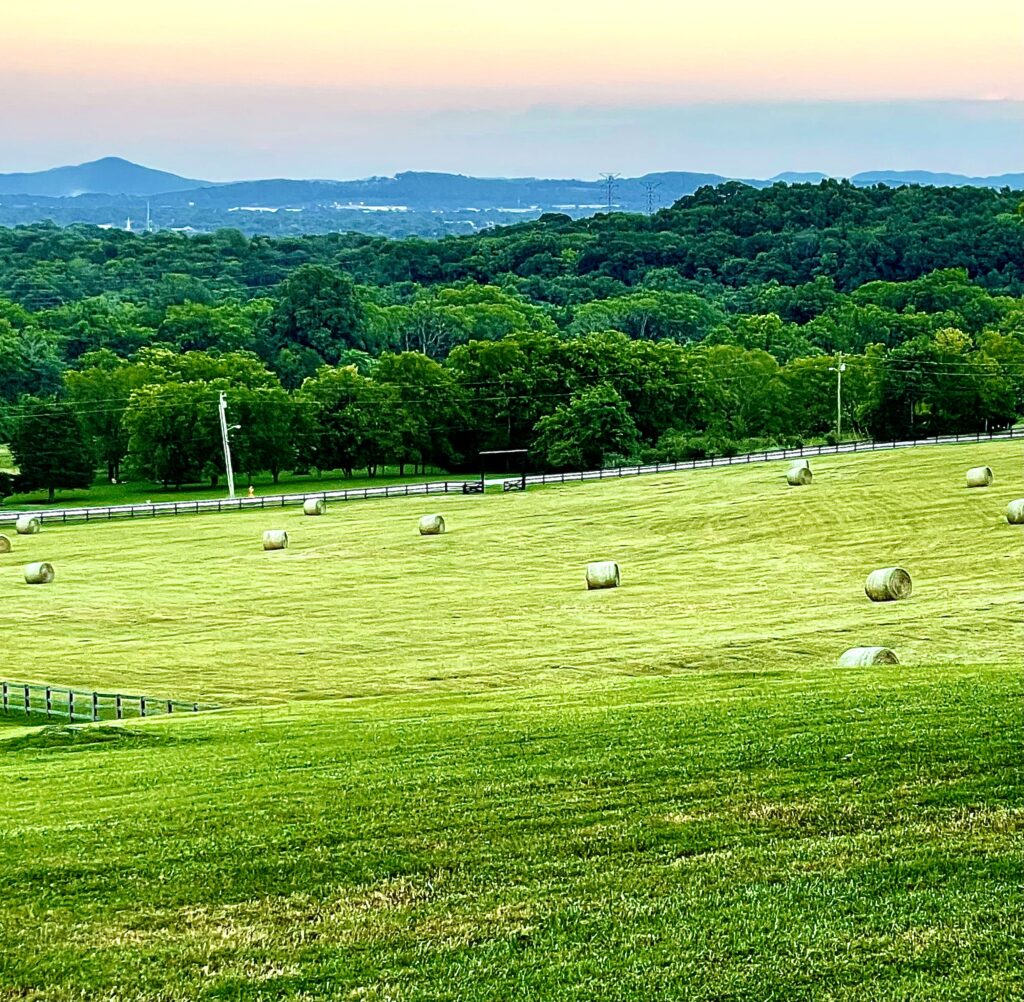
Before the unmaking began on Water’s Hill, the woods held the calls of a Wood Thrush and Bob-Whites. Those afternoons brought a Sunday-afternoon-nap kind of grace. It was a cedar glade with wild violets and bluestem and prickly pear. The only deadline was the coming rain and the curing of my neighbor’s hay.
This is the baseline.
At 4:13 PM today, right on schedule, the peace blew up when five hundred pounds of high explosives rattled my windows. I watched the limestone dust rise like a wraith above the carved-out remains of a thousand-year-old glade. Experts call it a crush injury to the land. In theological terms, it is a question of Mishpat: What does restorative justice look like for a gutted property that can’t speak for itself?
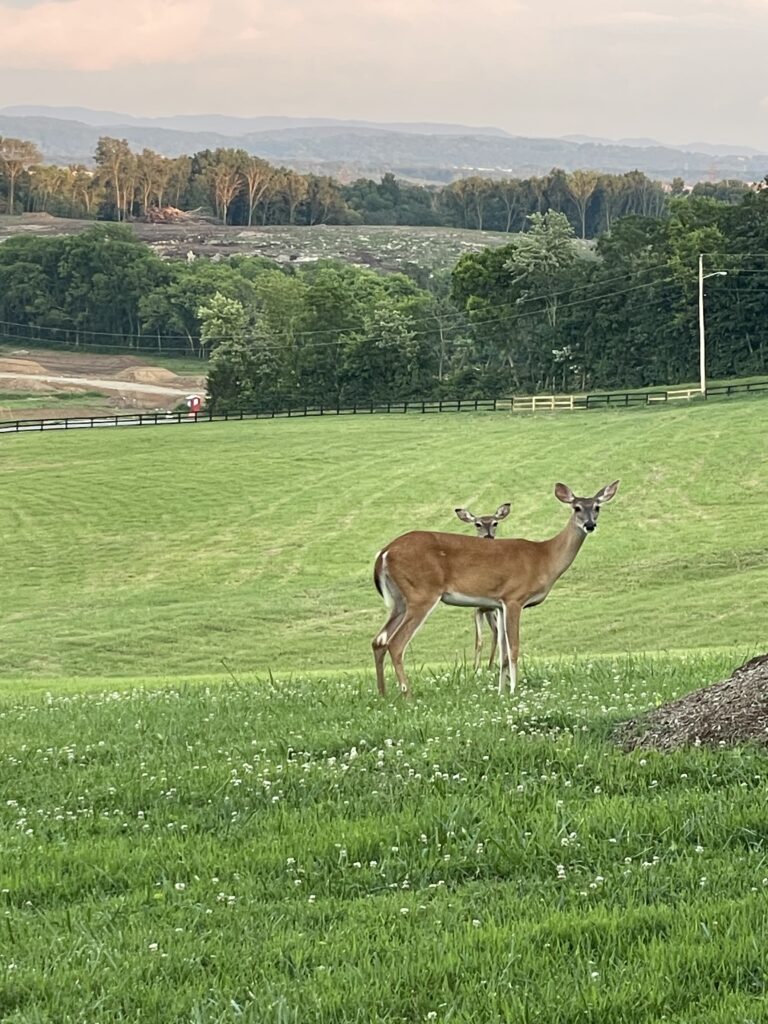
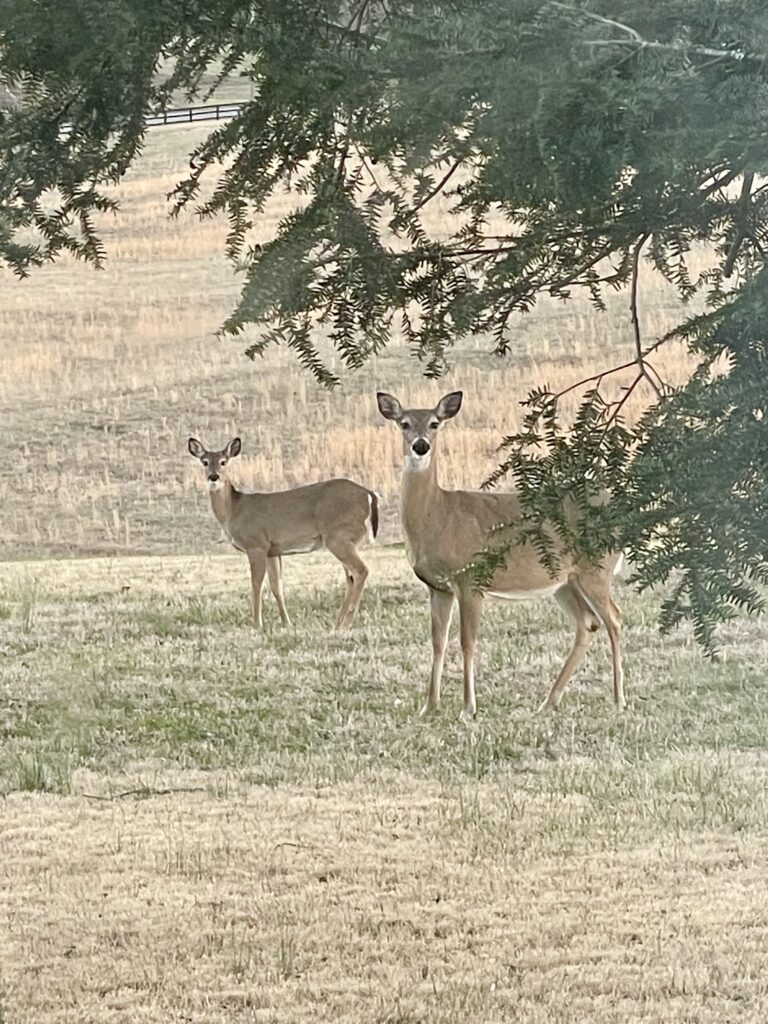
And then, the refugees arrive. They stand in my fescue, their ears twitching in staccato pulses, looking back at the haze over their bedding grounds. They are the newest members of the Order of the Uninvited. They don’t want my sympathy; they want the cover of oaks that lay in tidy pyres.
The deer and I watch each other through the glass until the light turns the color of a bruised peach. We’re just two tenants in an increasingly small realm. They drift toward the shadows of my crepe myrtle where I’d deconstructed a bird bath, turning it into a corn feeder. What else can I do? The City Council approved the new high-end subdivision with a clubhouse. I can barely get my recycling bin on a regular schedule, so my opinions carry no weight.
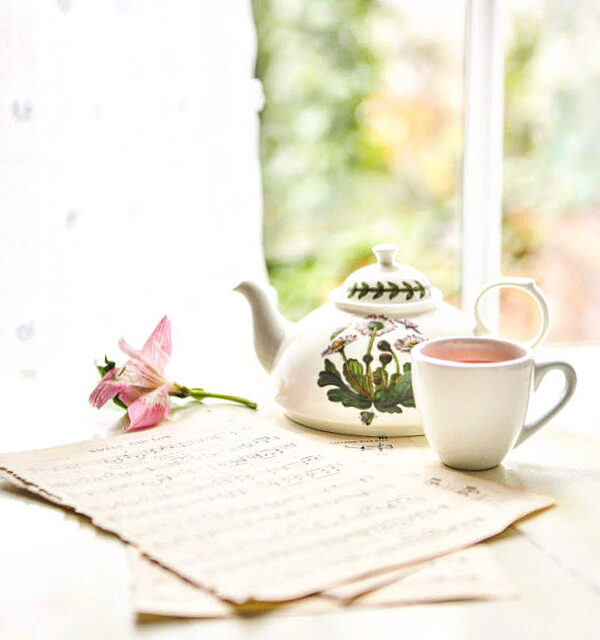
I turn away from the window. There is no use in a vigil that contributes nothing to these exquisite wild things. Instead, I go to the kitchen and fill the chipped red kettle. I measure loose tea with a trembling precision, as if the exact ratio of chamomile leaves to water might somehow make this all go away.
No, I can’t undo the limestone unfurling in the Tennessee air. I can’t revive the trees or tell the Wood Thrush to come sing in my yard. I reach for a yellow legal pad, and my pen scratches against the paper.
Corn. Mineral blocks. Water. I pause, tapping the pen on the pad. What else? I know we’re not supposed to feed them, but two days ago, as I drove to the post office, I saw deer on Indian Hills Road, just across the street. When I returned, a doe lay dead beside a white brick mailbox. The disorder outside is a hideous counterpoint to the household liturgy in my white beadboard kitchen. I strike a match. I wait. The kettle whistles. The shrill sound says, “Yes, I know. The glade is torn apart; it’s leaving us. And next year, the gully will shine with lights from brick homes and inside, the families gather for supper.
So, the ritual of evening remains. We keep the house. We steep the tea. We wait for the dust to settle on the furniture, and then, because there is nothing else to be done, we wipe it away.



Leave a Reply
You must be logged in to post a comment.